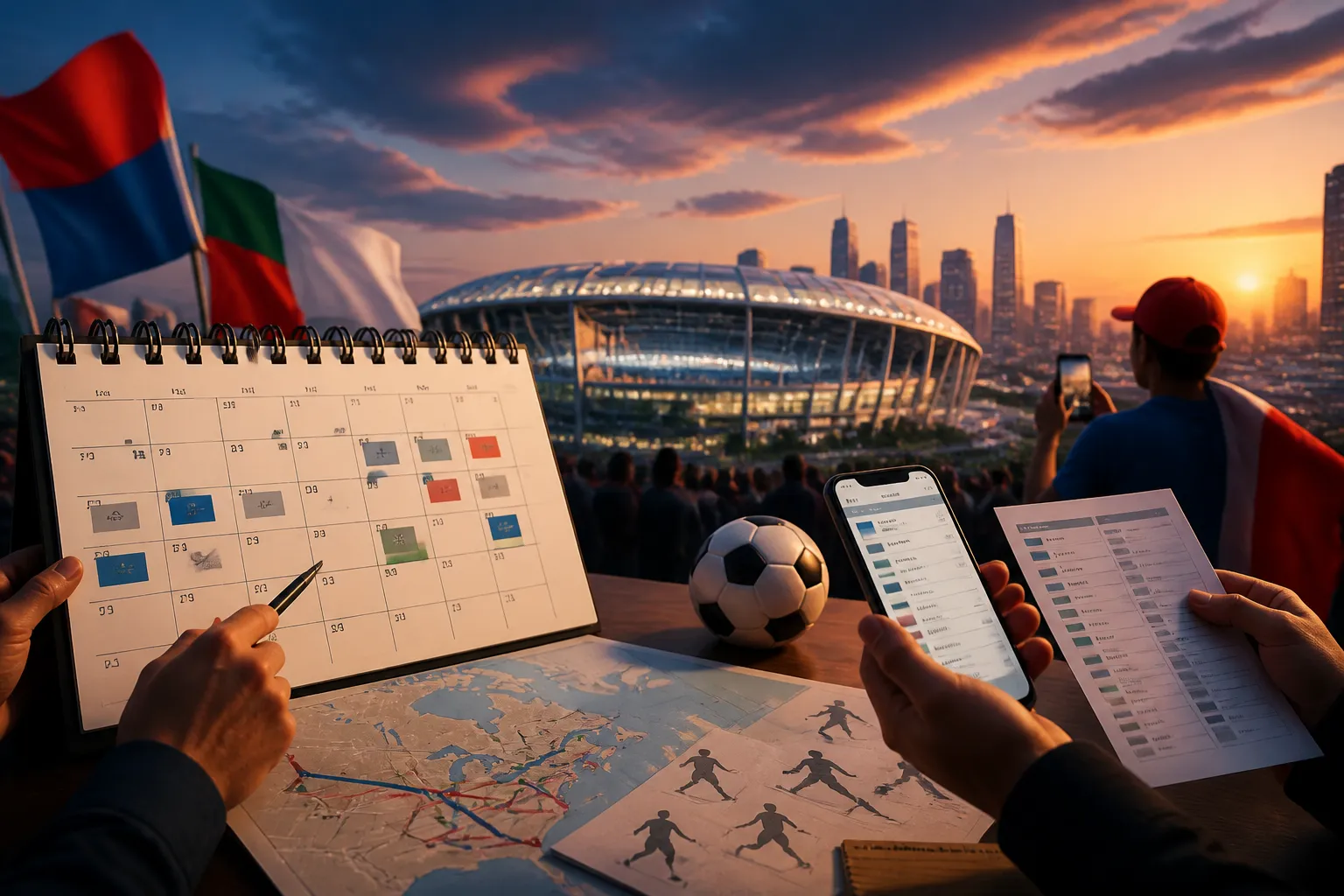






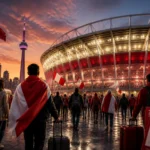


The 2026 FIFA World Cup begins on Thursday, June 11, and the opening day already sets the tone for a month-long tournament spread across June 11 to July 19. FIFA’s schedule confirms that the first match will be Mexico vs. South Africa in Mexico City, a headline fixture that launches the competition in front of one of the sport’s most demanding home atmospheres.
For fans planning their day around the tournament, the key takeaway is simple: June 11 is not just the start of the World Cup, it is the start of the first full match rhythm of the event. FOX Sports says all 104 matches will air live across FOX and FS1 in the United States, with streaming available on FOX One and the FOX Sports app, giving viewers a clear national broadcast path from the opening whistle onward.
The opening-day slate also includes South Korea vs. Czechia, giving Thursday’s schedule an early double-header feel for viewers tracking the tournament from the U.S. East Coast and beyond. Below is a concise guide to what is confirmed, when it starts, and what opening day means for the teams and the group-stage picture.
Opening Day Schedule
FIFA confirms that the 2026 World Cup runs from June 11 to July 19, 2026, and the tournament opens on Thursday, June 11, in Mexico City. The opening match is Mexico vs. South Africa at Mexico City Stadium.
FOX Sports lists the Mexico-South Africa match at 3 p.m. ET on FOX and Tubi. It also lists South Korea vs. Czechia at 10 p.m. ET on FS1 and FOX One. Those are the confirmed U.S. television windows supplied for opening day.
For readers making a day-of viewing plan, the opening Thursday functions like a compact showcase of the tournament’s early pace: an afternoon kickoff for the host nation’s opener, followed by a late-night second match that carries the schedule into primetime for East Coast viewers.
June 11 fixture box
- Mexico vs. South Africa — 3 p.m. ET — FOX / Tubi
- South Korea vs. Czechia — 10 p.m. ET — FS1 / FOX One
Why the Opener Matters
An opening match carries more weight than a standard group-stage fixture because it sets the first competitive tone of the tournament and puts immediate pressure on the teams involved. For Mexico, opening the World Cup in Mexico City means the host nation gets the rare spotlight of starting the tournament at home, in front of a crowd that will treat the match as a national event as much as a sporting one.
South Africa, meanwhile, enters the same match with the chance to spoil the hosts’ opening-night momentum and immediately shape the mood of the group. Even without talking about live results or future standings, the first match can influence how teams approach the rest of the group stage, especially when a host team is involved and the atmosphere is likely to be intense.
That is why Thursday’s opener matters beyond the 90 minutes. The first result can affect confidence, public pressure, and how every subsequent group opponent studies the opening-day tape.
How to Watch in the U.S.
FOX Sports says all 104 World Cup matches will be shown live in the United States across FOX and FS1, with streaming on FOX One and the FOX Sports app. That gives U.S. viewers a straightforward national package rather than a fragmented opening-day setup.
For opening day specifically, the verified broadcast details are split this way: Mexico vs. South Africa is on FOX and Tubi, while South Korea vs. Czechia is on FS1 and FOX One. FOX Sports did not provide a separate regional channel breakdown in the verified material, so that is the clearest U.S. viewing information available here.
That matters for planning because the June 11 slate spans both an afternoon U.S. Eastern start and a late-night kickoff, which makes the tournament accessible to both casual viewers and fans who want to follow the full first day without missing the second match.
What Fans Should Watch For
Since no matches had concluded at publication time, the most useful way to approach opening day is to focus on the shape of the fixtures rather than results. The main storyline is the host nation’s opener, the pressure that comes with it, and how the match is staged in Mexico City, one of the sport’s most recognizable settings.
Mexico City Stadium is the confirmed venue for Mexico vs. South Africa, and venue context matters on day one. Host openers tend to feel larger than ordinary group matches because the crowd, television audience, and tournament ceremony all amplify the stakes before the first ball is even kicked.
The second fixture, South Korea vs. Czechia, adds a different kind of value to the schedule. It gives the first day a broader global reach and helps turn the opening-day program into a real sampler of the tournament, not just a single showcase match.
If you are following the June 11 slate, the clearest thing to watch is how the opening result shapes momentum. A strong start for Mexico would build immediate energy around the host team. A disciplined showing from South Africa would make the group race feel more open from the outset. The same logic applies to South Korea and Czechia, whose late match gives them an early chance to define their tournament tone.
What Happens Next
After opening day, the World Cup continues through the group stage with a full schedule that stretches across the month before ending on July 19, 2026. FIFA’s match calendar means June 11 is just the start of a long first phase, but it is also the day that begins the tournament’s competitive rhythm and sets the baseline for the games that follow.
For opening-day followers, the next step is to keep an eye on how the first results influence the early group narrative. Because no live outcomes were available in the verified material, the unresolved issue is not the table itself but the immediate shape of the group-stage race once these two matches are completed.
That makes Thursday’s schedule worth following closely: it is the first chance to see how the 2026 World Cup begins, how the host nation handles the spotlight, and how the U.S. television schedule is arranged for one of the sport’s biggest opening days.