






MEXICO CITY — FIFA is entering the final hours before the 2026 World Cup with a message built around celebration. On June 10, as the tournament’s opening match approached in Mexico City, Gianni Infantino promoted the scale of the kickoff experience and defended FIFA’s handling of issues that have followed the event for months.
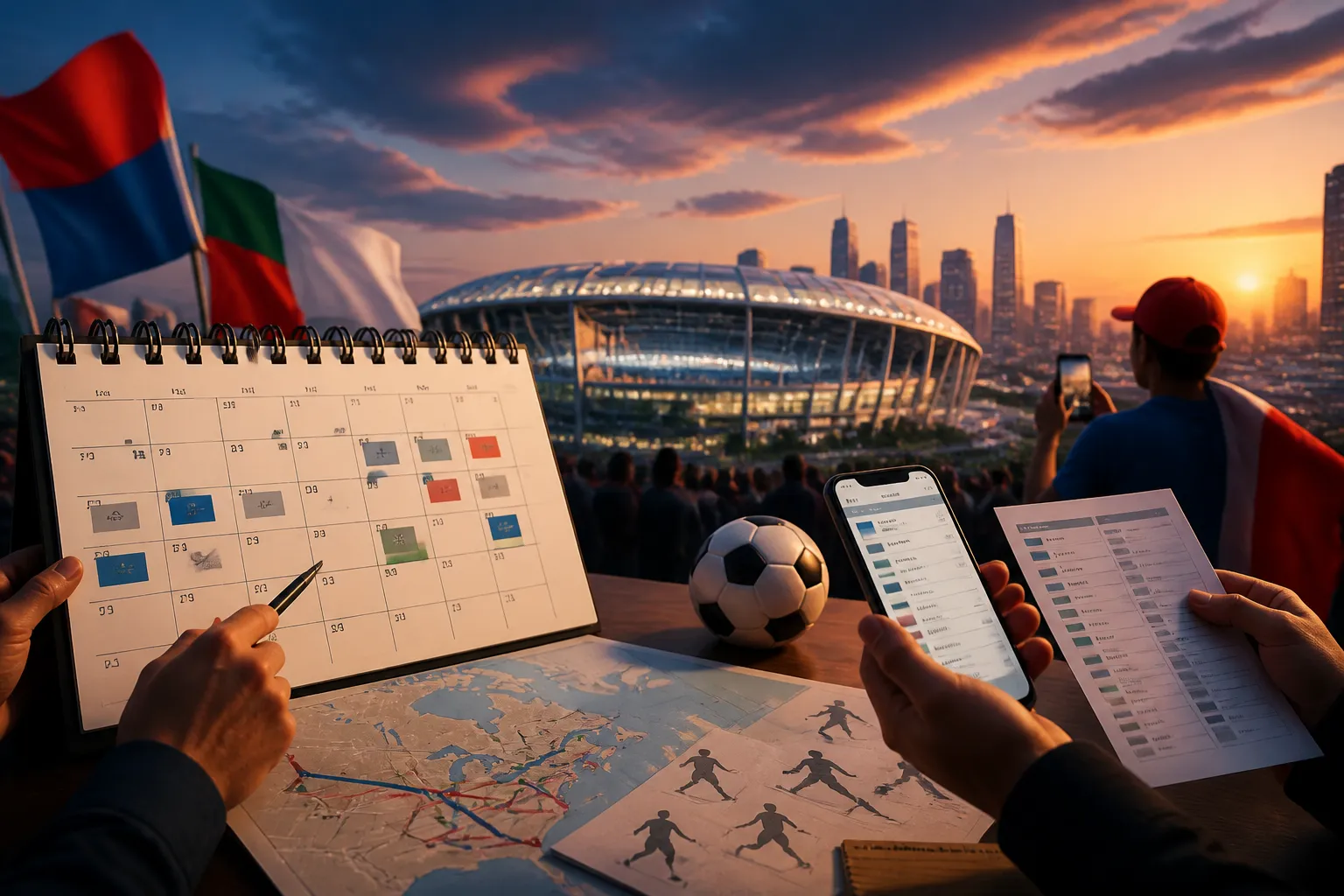
The timing matters. The World Cup opens on Thursday, June 11, with Mexico City hosting the first match, and FIFA has spent the weeks before kickoff rolling out a fan-focused pre-match ceremony and other opening celebrations. That gives the sport’s governing body a chance to set the tone before the football starts. It also puts pressure on FIFA to show that the event’s pageantry can coexist with the practical concerns fans and officials have raised about prices, travel and entry rules.
What happens in the first days of a World Cup often shapes the public mood around the entire tournament. This one begins with unusual attention on the event around the event: who can afford to be there, who can enter the host countries smoothly, and whether the spectacle FIFA has planned will feel inclusive or simply expensive.
What FIFA Is Pushing Before Kickoff
FIFA has leaned hard into ceremony. On June 4, the organization announced a new fan-centric pre-match ceremony for World Cup 2026, adding another layer to the opening experience beyond the match itself. FIFA also publicized star-powered opening ceremonies in host cities, including Mexico City and Los Angeles, underscoring that this tournament is being sold as both a sporting competition and a major entertainment event.
That emphasis is not accidental. In a World Cup staged across Canada, Mexico and the United States, the opening days carry a symbolic weight that extends well beyond the first whistle. Mexico City, as the host of the opening match, becomes the first global stage of the tournament, and FIFA appears determined to make that stage feel large, polished and celebratory.
Infantino’s remarks on the eve of the tournament fit that approach. FIFA’s official communication has portrayed the World Cup as “an unforgettable experience” as kickoff neared, a phrase that reflects the organization’s effort to frame the event through anticipation rather than controversy. The challenge is that the same period has been defined by complaints that have little to do with football itself.
Why Ticket Prices Are Under Scrutiny
Ticket pricing is one of the clearest fault lines heading into the tournament. AP reported on June 10 that Infantino defended World Cup ticket prices, while another AP report described widespread scrutiny of ticket pricing and availability ahead of the opener. That coverage suggests the issue is not isolated to a single match or market; it is part of the wider conversation around access to the tournament.
For FIFA, ticket pricing is not just a consumer complaint. It goes to the image of the World Cup as a global event that is supposed to welcome broad audiences. When fans see limited availability or steep prices, the spectacle can begin to look less like a shared celebration and more like a premium product.
The concern is especially relevant because the opening ceremony and pre-match events are meant to create a welcoming atmosphere. If the path into the stadium feels difficult or costly, that message weakens. In practical terms, the tension is between FIFA’s desire to maximize the event’s commercial value and its need to preserve the idea that the World Cup belongs to ordinary supporters as much as to corporate guests and VIPs.
AP’s reporting also shows that ticket issues can travel quickly from the realm of sports administration into a broader public debate. That is important because the opening match is not only the first game on the schedule; it is the public’s first direct test of whether the promises of the pre-tournament buildup match the reality of buying and attending tickets.
Visa Concerns and Entry Friction
Entry rules are another last-minute pressure point. AP reported that Infantino addressed visa-related controversy on the eve of the tournament, while Reuters, in a syndicated report, said he defended visa handling as well as ticket prices. The underlying issue matters because the World Cup depends on the movement of people as much as on the movement of the ball.
That includes fans, journalists, referees and other officials. If entry procedures are unclear or contentious, the effects can ripple through the tournament’s early days. For referees and match officials, any delay or uncertainty can complicate preparation. For reporters, it can affect coverage plans and logistics. For fans, it can decide whether a trip is feasible at all.
The practical impact is bigger than a single dispute. A World Cup is one of the few sporting events where administrative friction can become part of the competitive atmosphere before the first game even starts. FIFA’s public defense suggests the organization wants to contain that story quickly, but the fact that it has become part of the eve-of-tournament narrative shows how sensitive the issue is.
This matters most in a tournament split across three countries. The scale increases the number of border and travel questions. Even when there are clear procedures in place, the combination of deadlines, documentation and fan demand can create confusion. FIFA’s messaging this week appears aimed at keeping the focus on celebration while answering those concerns just enough to avoid letting them dominate kickoff.
What the Opening Week Says About FIFA’s Priorities
The structure of FIFA’s final pre-tournament push reveals a lot about its priorities. First, the organization is treating entertainment as part of the product, not as a sideshow. The opening ceremonies in Mexico City and Los Angeles, along with the new fan-centric pre-match ceremony, show a desire to make the tournament feel like a cultural event with broad appeal.
Second, FIFA is managing reputation as carefully as it is managing scheduling. The AP reports on prices and visa issues show that questions around access are not going away. By addressing them directly on the eve of kickoff, Infantino is signaling that FIFA knows these concerns can shape public perception just as much as any result on the field.
Third, the messaging suggests FIFA wants to frame the tournament as already underway in spirit, even before the first match begins. That is common with major global events, but it is especially visible here because the opening days are being used to project energy and scale. The spectacle is meant to draw people in. The criticism, meanwhile, shows why access and fairness remain central to the story.
In that sense, the first week functions like a stress test for FIFA’s World Cup model. If the ceremonies feel inclusive, if the opening match runs smoothly and if travel and ticketing complaints do not escalate, FIFA will have a strong opening case for its approach. If not, the off-field issues may remain attached to the tournament well beyond the first round of games.
What to Watch Next
The immediate next step is straightforward: the World Cup opens on Thursday in Mexico City, with the first match setting the tone for the tournament’s early narrative. The fan-centric pre-match ceremony and other launch events will show how FIFA translates its planning into the live experience.
After that, the key unresolved issues are practical ones. Will ticket availability and pricing continue to draw criticism? Will visa and entry questions stay in the background, or will they affect teams, officials or supporters in a visible way? And will the opening-week celebrations in Mexico City, Los Angeles and other host-city settings overshadow the administrative disputes long enough for the football to take center stage?
Those are the questions that matter most now, because the tournament’s first impression will be made not only by the scoreline, but by whether FIFA’s promised welcome feels accessible to the people it says it is trying to serve.