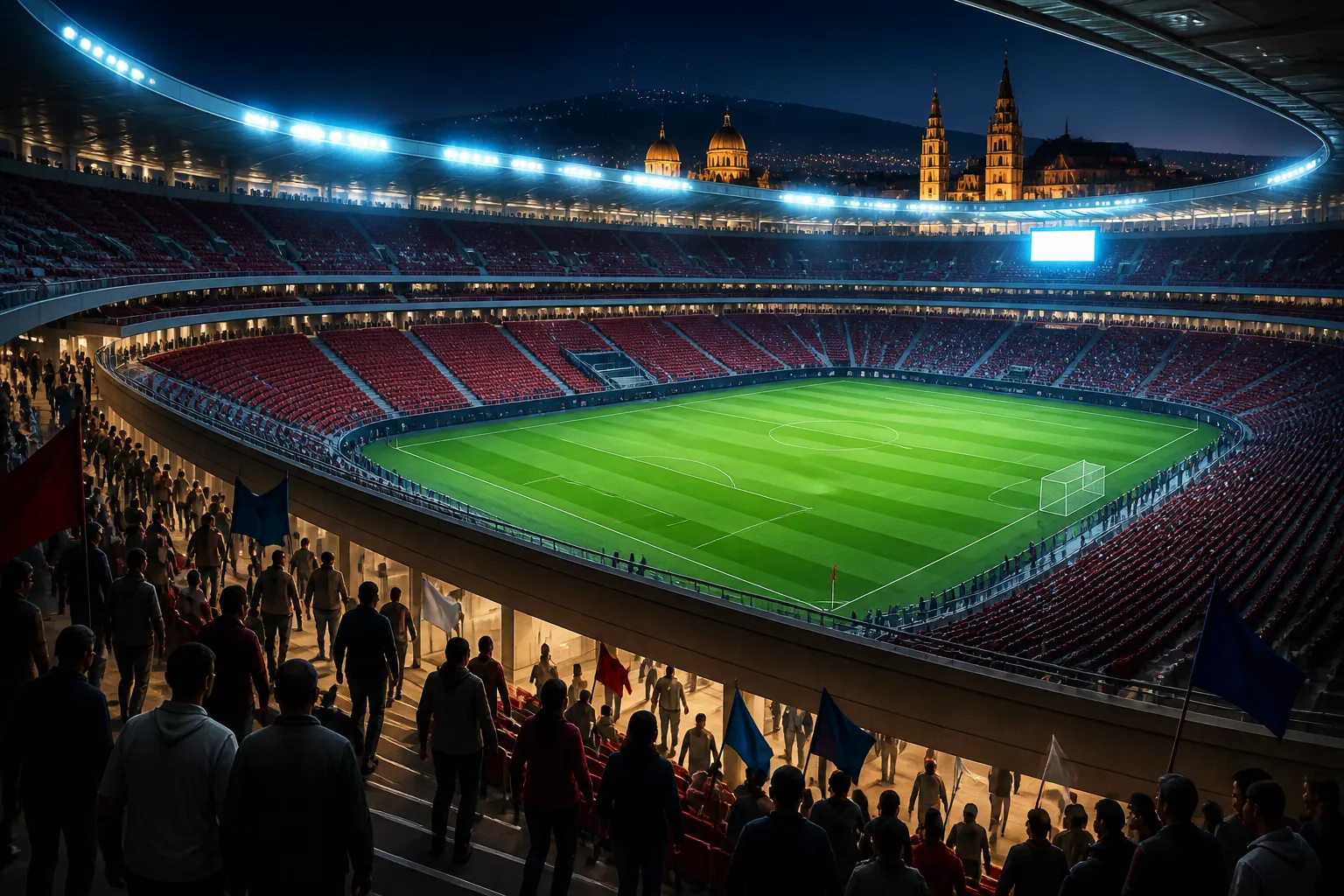








Luke Kornet is not the sort of NBA player who leaves fans guessing whether he noticed the architecture. Long before the current Finals stage in New York, the Spurs center had already built a modest online niche around a very specific kind of travel diary: the kind that includes church visits, odd observations, and a humorous first-person voice.
That side of Kornet has become part of his public persona in a way few basketball players can claim. He signed with the San Antonio Spurs in July 2025, and his Medium posts have since offered an off-court view of a player who appears to enjoy documenting the less polished details of life on the road. In a league dominated by game recaps, trade rumors, and highlight clips, that makes him unusual.
The backdrop for his latest New York-related moment is larger than the hobby itself. The Spurs were playing the New York Knicks in the 2026 NBA Finals around June 7, 2026, placing Kornet in one of the most recognizable basketball settings in the country. That makes any Sunday-morning church anecdote involving him a natural fit for the timeline, even though the specific location and sequence of events are not independently confirmed from the available material.
Kornet’s public voice beyond basketball
Kornet’s Medium writing matters because it gives fans a different kind of access than the usual player quote or postgame interview. His posts are written in a humorous first-person style and focus on travel, routines, and places he notices while moving with the team. That makes the writing feel personal without being performative, and it helps explain why readers have latched onto it as a small but distinctive part of his identity.
Player-authored travel diaries are still rare in the NBA. Most athletes use social media for brief updates, sponsor content, or carefully edited glimpses of daily life. Kornet’s writing is different because it reads more like a running notebook, one that happens to follow an NBA season instead of a vacation itinerary.
That is part of why the church-related angle has drawn attention. It is not simply that he visited a place of worship while traveling. It is that he has already established a pattern of turning those visits into public essays, including posts explicitly centered on church visits and a “live blog” of church architecture while on the road. For a player feature, that gives the story a specific, recognizable thread.
Why the church-travel posts stand out
Among the many things a professional basketball player could choose to write about, church architecture is not an obvious candidate. Kornet’s posts have therefore stood out less because they are shocking than because they are unexpectedly consistent. He seems interested in the shape, history, and atmosphere of buildings that most players would pass on the way to a shootaround or hotel lobby.
That consistency helps explain why a Sunday morning in New York would generate interest during the Finals. A player with an established church-travel habit can turn an otherwise ordinary stop into part of his broader public story. In that sense, the appeal is less about the event itself and more about the continuity of the voice behind it.
It also gives fans a rare reminder that NBA players do not spend every spare hour in the same way. Some hunt restaurants, some visit tourist attractions, and some, as Kornet’s writing suggests, notice sacred spaces and architectural details along the way. That personal habit does not alter the outcome of a series, but it does make a player feel more legible to readers beyond box scores.
Why New York matters in this Finals setting
The setting is important because New York is one of the few cities where a small off-court detail can feel amplified. During the 2026 NBA Finals, with the Spurs matched against the Knicks, every player movement carries a little more public interest. A quiet church visit in another city might pass unnoticed; in New York, during the Finals, it becomes part of the broader conversation around where the series is being played and how players spend their downtime.
That does not make the anecdote news about the series itself. It does not point to a roster change, injury update, or tactical shift. But it does add texture to the Finals environment, which often stretches beyond the court into the routines players keep between games.
For Spurs followers, the connection is simple: Kornet is a member of the team, and his off-court writing provides a human-interest angle that fits the moment. For New York readers, the appeal is more local. A Finals matchup in the city brings the league’s spotlight into a familiar setting, and any player who documents the city in an unusual way becomes part of that broader scene.
What is verified, and what is not
The verified picture is narrow but clear. Kornet signed with the Spurs in July 2025. He has a public Medium blog written in a humorous first-person style. He has also published posts centered on church visits and a live blog about church architecture while traveling with the team.
What is not independently confirmed here is the exact Sunday church location in New York, the precise sequence of that visit, and any public reaction to it. Those details may have been included in a separate article, but they are not available in the verified summary provided for this piece. Because of that, the safest and most accurate approach is to treat the anecdote as plausible rather than established fact.
That distinction matters. Sports features often pick up momentum from a vivid scene, but a newsroom still has to separate a credible pattern from an unverified scene-setting detail. In this case, Kornet’s writing history supports the broad premise. It does not support a more specific reconstruction of where he went or what happened there.
What fans should watch next
The most immediate next step is simply whether Kornet continues to treat his travel notes as public material during the Finals. If he does, readers may get another of those offbeat posts that sit somewhere between diary, essay, and comic relief. If he does not, the New York church anecdote will remain a small but telling footnote to his broader reputation.
There is also a broader question about how player-authored writing fits into modern sports coverage. Kornet’s posts are a reminder that some athletes are willing to package everyday experiences in a way that offers something different from the standard team-managed message. That does not turn them into major newsmakers, but it does create a more personal connection with readers who want more than on-court summaries.
For now, the useful takeaway is straightforward: Luke Kornet is not just a Spurs center in a Finals series. He is also one of the few players in the league with a recognizable side project built around travel, church visits, and reflective humor. In New York, during the NBA Finals, that combination is enough to turn a quiet Sunday habit into a feature worth noticing, even without overstating what has been confirmed.
The unresolved detail is the one that should stay unresolved until independently verified: the exact church setting in New York. If more information emerges, it will be the location and context that add depth, not speculation. Until then, Kornet’s broader writing habit remains the real story behind the story.