






FIFA has unveiled “DNA” as the Official FIFA World Cup 2026 Anthem, giving the tournament its first major musical identity ahead of the opening ceremony in Mexico City. The announcement, made on Wednesday, June 10, 2026, places the song at the center of FIFA’s wider tournament launch strategy as the first World Cup staged across Canada, Mexico and the United States.
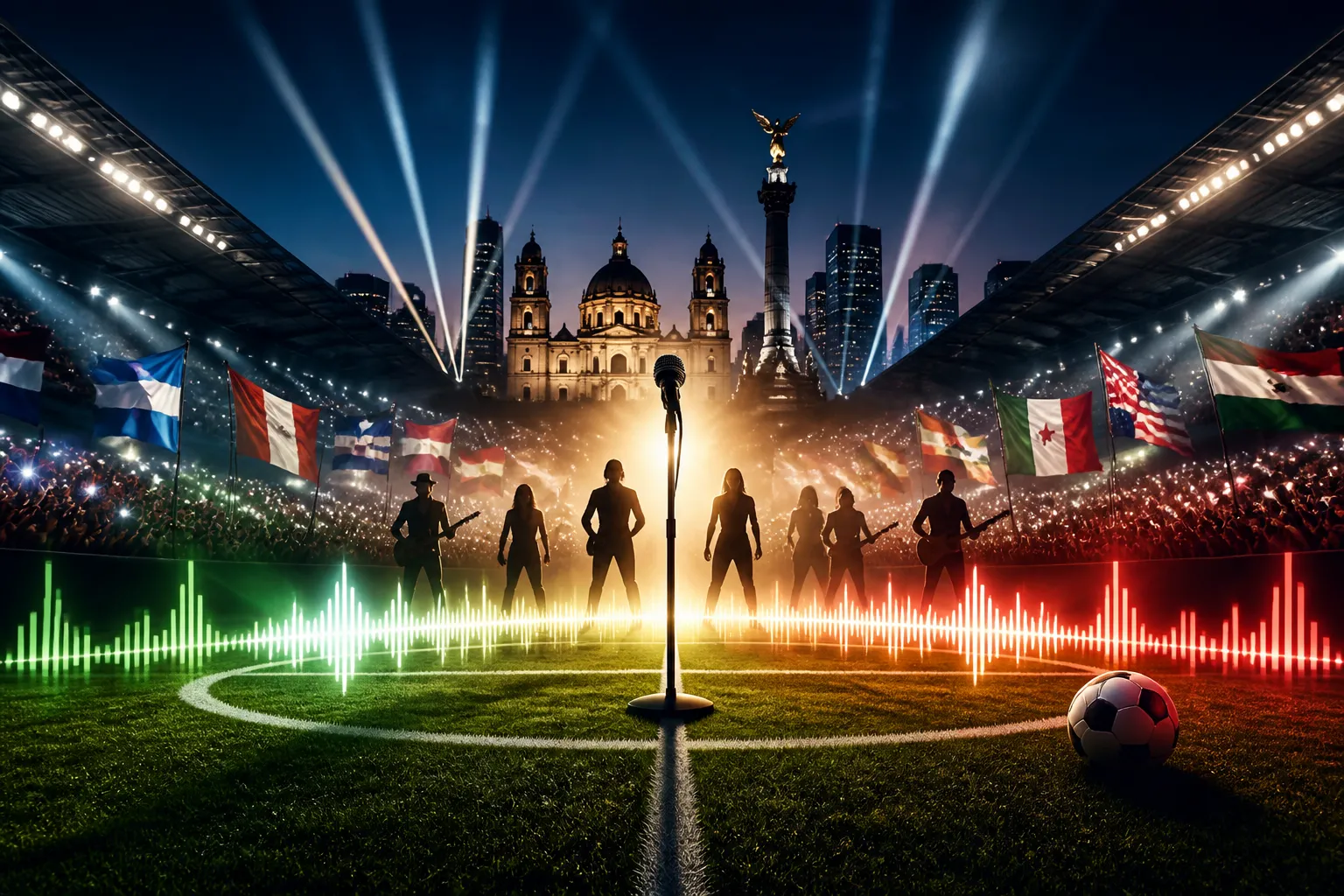
The anthem brings together four artists from very different corners of global music: Andrea Bocelli, David Guetta, Megan Thee Stallion and EJAE. According to FIFA, Bocelli and EJAE will perform “DNA” for the first time at the opening ceremony on Thursday, June 11, 2026, in Mexico City. FIFA says the track is part of its official World Cup 2026 music program and is already available on streaming platforms.
For supporters, the announcement is more than a music-release note. It is a signal that FIFA is using ceremony, sound and global pop appeal to frame the opening of a tournament that will be spread across three host countries, 48 teams and 16 host cities. “DNA” is designed to work as both a ceremonial anthem and a branding piece for the event’s long lead-up.
Who Is on “DNA”
FIFA’s release identifies Andrea Bocelli, David Guetta, Megan Thee Stallion and EJAE as the artists behind “DNA.” The combination is notable because it blends classical crossover, dance music, rap and contemporary pop vocal stylings in a single World Cup-branded release.
FIFA says Bocelli and EJAE will perform the anthem live for the first time at the opening ceremony. That detail matters because it separates the recorded release from the ceremonial debut: the song is already out on streaming platforms, but its first live showcase is reserved for the opening-night program in Mexico City.
The release does not provide a public breakdown of which artist contributed which part of the track, and it does not add further performance details. What is confirmed is the roster of artists and the fact that the live premiere will be tied to the tournament’s opening ceremony.
Why the Anthem Matters
World Cup anthems are not just promotional extras. They help define how FIFA wants the tournament to feel, especially in a competition as large and geographically spread out as the 2026 edition.
This World Cup will be the first hosted across Canada, Mexico and the United States, with 48 teams and 16 host cities. In that setting, an official anthem gives FIFA a single cultural touchpoint that can travel across markets, languages and stadiums while reinforcing the idea of a shared continental event.
That is why “DNA” is important beyond the celebrity names attached to it. It is part of FIFA’s effort to create a unified atmosphere for a tournament that will not be concentrated in one country or one region. Music becomes a practical tool for building anticipation, setting tone and giving the opening ceremony a recognizable identity.
It is also worth noting what FIFA is and is not saying. The release frames “DNA” as the Official FIFA World Cup 2026 Anthem, but it also points to a broader music program. That means readers should view the song as a key ceremonial track within a larger campaign, rather than as the only music associated with the tournament.
Mexico City Opening Ceremony
FIFA says the first live performance of “DNA” will take place at the World Cup 2026 opening ceremony in Mexico City on Thursday, June 11, 2026. The organization did not include a confirmed ceremony time in the material supplied for this report, so the exact kick-off moment remains unconfirmed here.
Even without a public time in the verified material, the location is significant. Mexico City is one of the tournament’s three host-country hubs and the ceremony will help launch a World Cup that stretches across three nations for the first time in the competition’s history. For the local audience, the opening ceremony will be part sporting spectacle, part cultural showcase and part global broadcast moment.
In practical terms, this means the ceremony is expected to do more than introduce the anthem. It will set the tone for the tournament’s opening phase, build momentum toward the first matches and provide the first major stage presentation of FIFA World Cup 2026’s identity.
How It Fits FIFA’s Music Campaign
FIFA describes “DNA” as part of its official World Cup 2026 music program. That distinction matters because the governing body has been building a wider entertainment framework around the tournament, using music to support the launch rather than relying only on match-day presentation.
In that sense, the anthem functions like a ceremonial flagship. It is meant to carry the tournament’s mood into homes, stadiums and public spaces while FIFA expands its 2026 campaign across multiple countries. The format also reflects a modern World Cup trend: large-scale events now use music releases, performances and associated media to create a longer story around the competition.
For readers following the tournament from a practical angle, the key takeaway is simple: “DNA” is part of the official World Cup 2026 music strategy, and not just a one-off promotional song. FIFA’s language suggests a broader rollout around the tournament’s cultural presentation, with the anthem anchoring that effort.
What Fans Should Expect Next
The next confirmed milestone is the opening ceremony in Mexico City on June 11, where Bocelli and EJAE are set to perform the anthem for the first time. After that, the song will continue to function as part of FIFA’s tournament branding as the World Cup moves toward the competitive phase.
Fans should expect the anthem to be used as a recurring piece of the tournament’s presentation, especially around ceremonial moments and official media. What FIFA has verified here is the song’s role in the launch window, the artist lineup and its connection to the wider 2026 music program.
What remains unresolved in the supplied material is the exact ceremony timing and the full shape of the broader music campaign. Those details may come later, but for now the main development is clear: FIFA has chosen a globally recognizable, multi-genre lineup to introduce the World Cup 2026 identity in Mexico City.
That makes Thursday’s opening ceremony the first real test of how FIFA wants the tournament to feel. The anthem is out now; the live premiere is next.